If you've searched for this, chances are something's already nagging at you — a fuse box that still has the same ceramic fuses from when the house was built, a safety switch that trips whenever the kettle and the heater run together, or a sparky who glanced at your meter box during another job and raised an eyebrow. This guide answers the question properly: not just whether you need a switchboard upgrade, but when — the specific moments that make an upgrade a smart, planned decision rather than an expensive emergency.
We're Voltas Electrical & Airconditioning, a licensed Adelaide electrical and air conditioning team (licences BLD 274739, PGE 265145, AU 61210) — so we see the same pattern on both sides of the trade: a huge share of the switchboard upgrades we quote in Adelaide are triggered by an air conditioning install, not just by an electrical fault. That combination gives us a genuinely useful vantage point on timing, which is the whole point of this guide.
What a Switchboard Actually Does (And Why "When" Matters More Than "If")
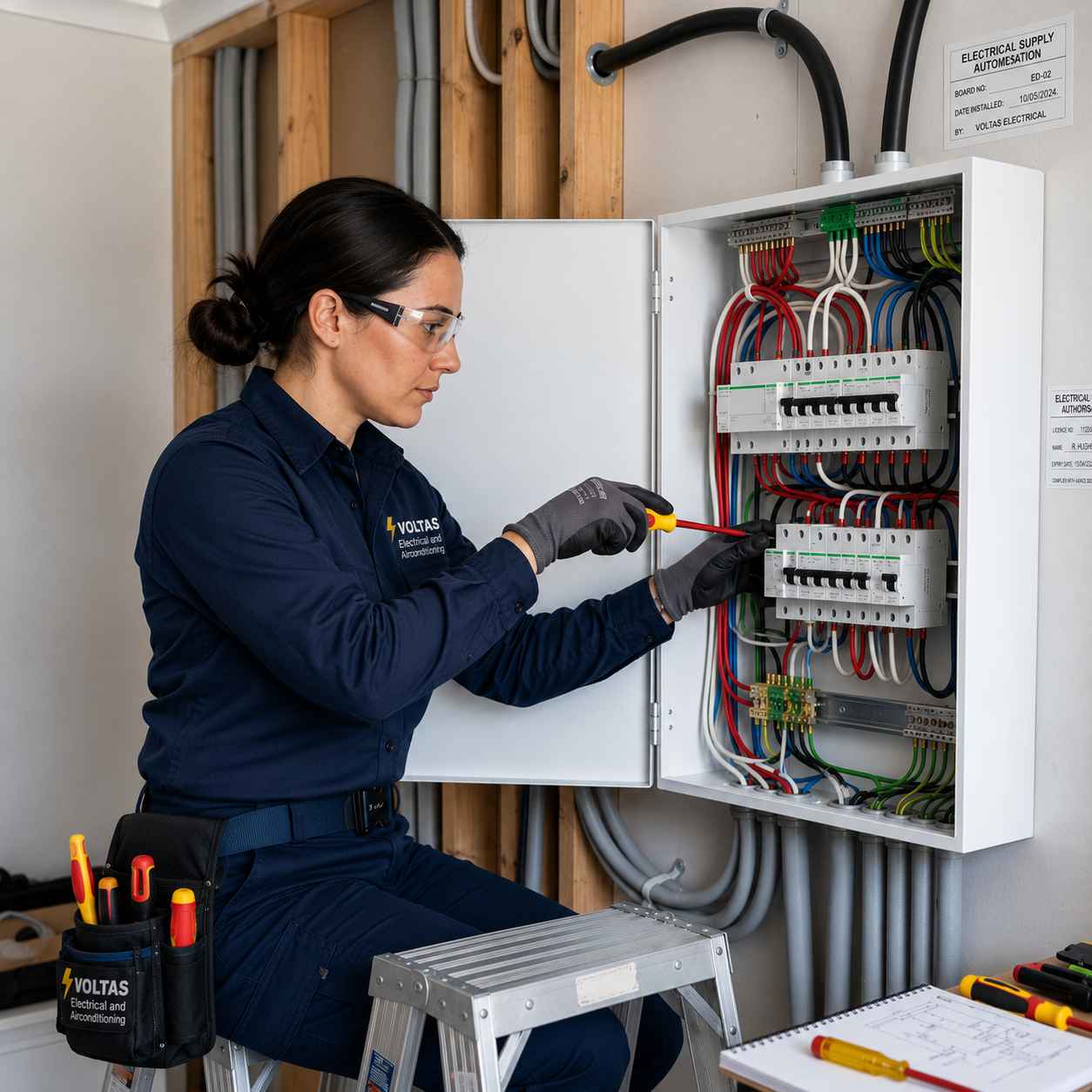
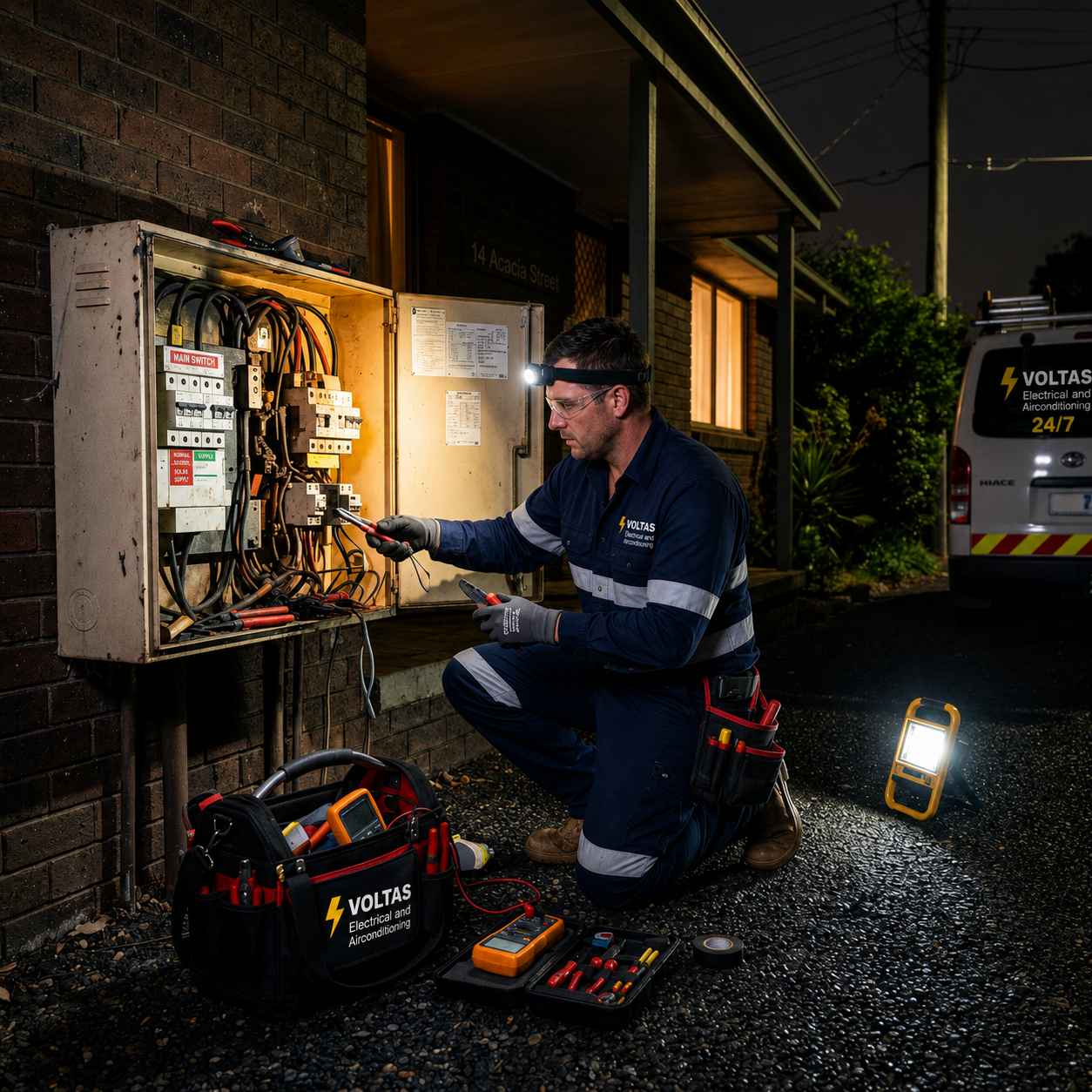
Your switchboard — sometimes called a fuse box, distribution board, or (loosely) meter box — is the control centre for every circuit in your home. It takes the incoming mains supply and splits it into individual circuits for lighting, power points, your oven, your air conditioner, and everything else, protecting each one with either an old-style fuse or a modern circuit breaker and safety switch.
Most Adelaide homes built before the early 1990s were fitted with a switchboard that predates modern safety switches (RCDs) almost entirely — because those requirements simply didn't exist yet when the house was wired. That board isn't necessarily "broken." It's just built to a much older standard of protection, and every year it keeps running that way is a year it's carrying loads (air conditioners, home theatres, EV chargers) its original designer never planned for. That's why the practical question for most homeowners isn't "is my switchboard illegal" — it's "when does upgrading it stop being optional and start being obviously the right call."
The Warning Signs You Need a Switchboard Upgrade — Some of These Can't Wait
Some of the signs below mean "plan an upgrade in the next few months." A couple of them mean "stop reading and call someone today." We've flagged the urgent ones.
Ceramic (rewireable) fuses
If you open the board and see round porcelain fuse holders rather than switches you can flick, your board predates modern safety-switch protection entirely.
No safety switches fitted
Safety switches (RCDs) cut power in milliseconds if there's an earth leakage fault — the single biggest life-safety upgrade a home electrical system can have.
Frequent, unexplained trips
A breaker or fuse that trips under everyday load (not an obvious fault like a failed appliance) usually means the board is under-sized for what's now plugged into it — a portable heater on the same circuit as another high-draw appliance is a classic cause worth checking first.
Burning smell or scorch marks
This is a genuine fire-risk indicator. Turn off what you safely can, and call a licensed electrician immediately — this isn't a "when it suits" situation.
Rusted, cracked or overheating meter box
Water ingress and heat damage around a meter box both point to a board that's already compromised, not just outdated.
Never upgraded, home built pre-1990s
If nobody's touched the board since the house was built and it's more than 25–30 years old, assume it doesn't meet current safety-switch requirements until proven otherwise.
Flagged in an inspection or defect notice
A building/pest inspection, insurance assessment, or an electrical defect notice from a previous tradesperson naming the switchboard is a strong prompt to act before it becomes a bigger issue.
Not sure which of these applies to your place? We'll tell you straight, on the spot.
Book a Same-Day AssessmentSo — When Is the Best Time to Upgrade? Six Timing Windows That Actually Matter
This is the part most switchboard guides skip past. Knowing the warning signs tells you whether you need an upgrade. These six windows tell you when to actually book it in, so it's a planned, budgeted job rather than a same-day emergency.
1. Before you install a new air conditioner (especially ducted or three-phase)
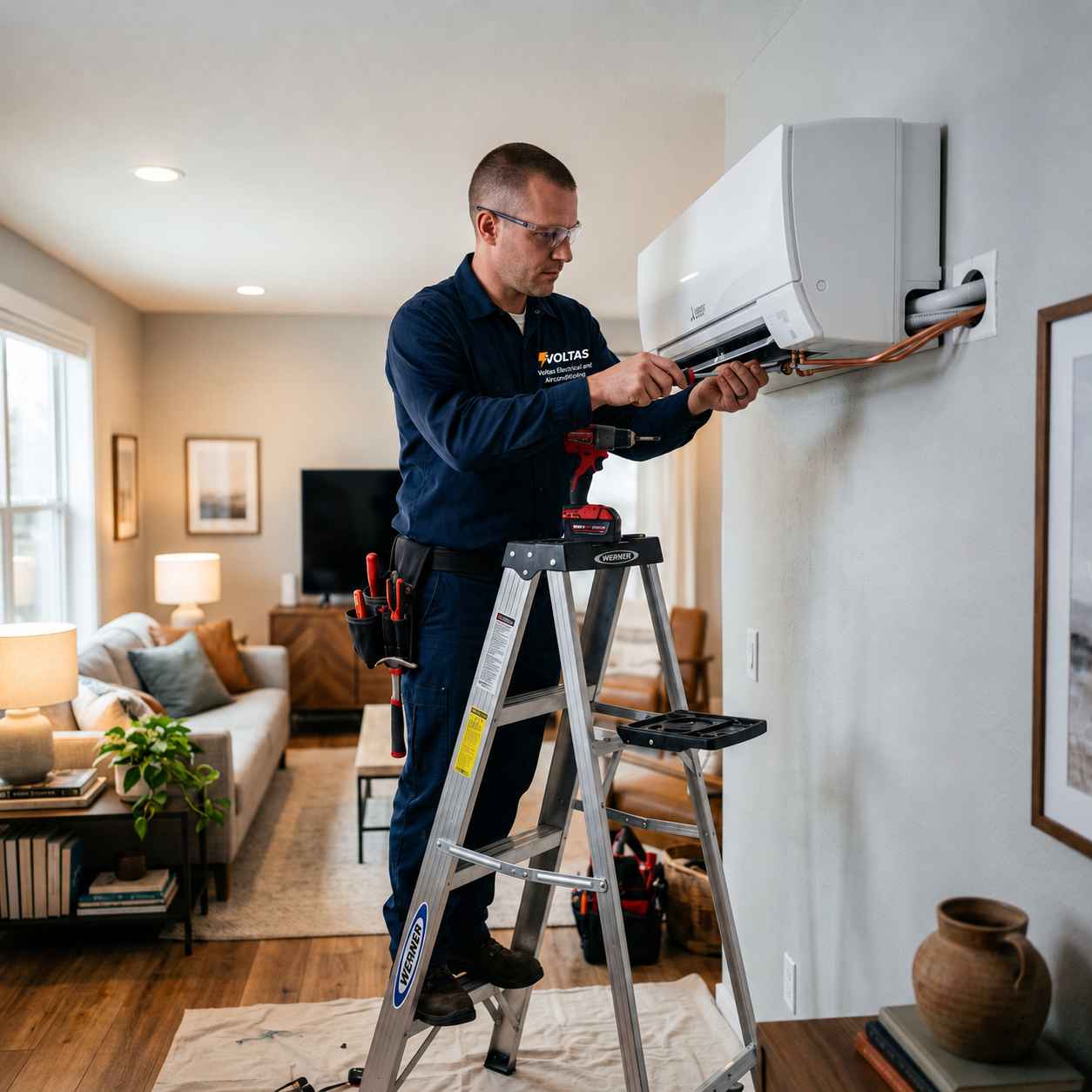
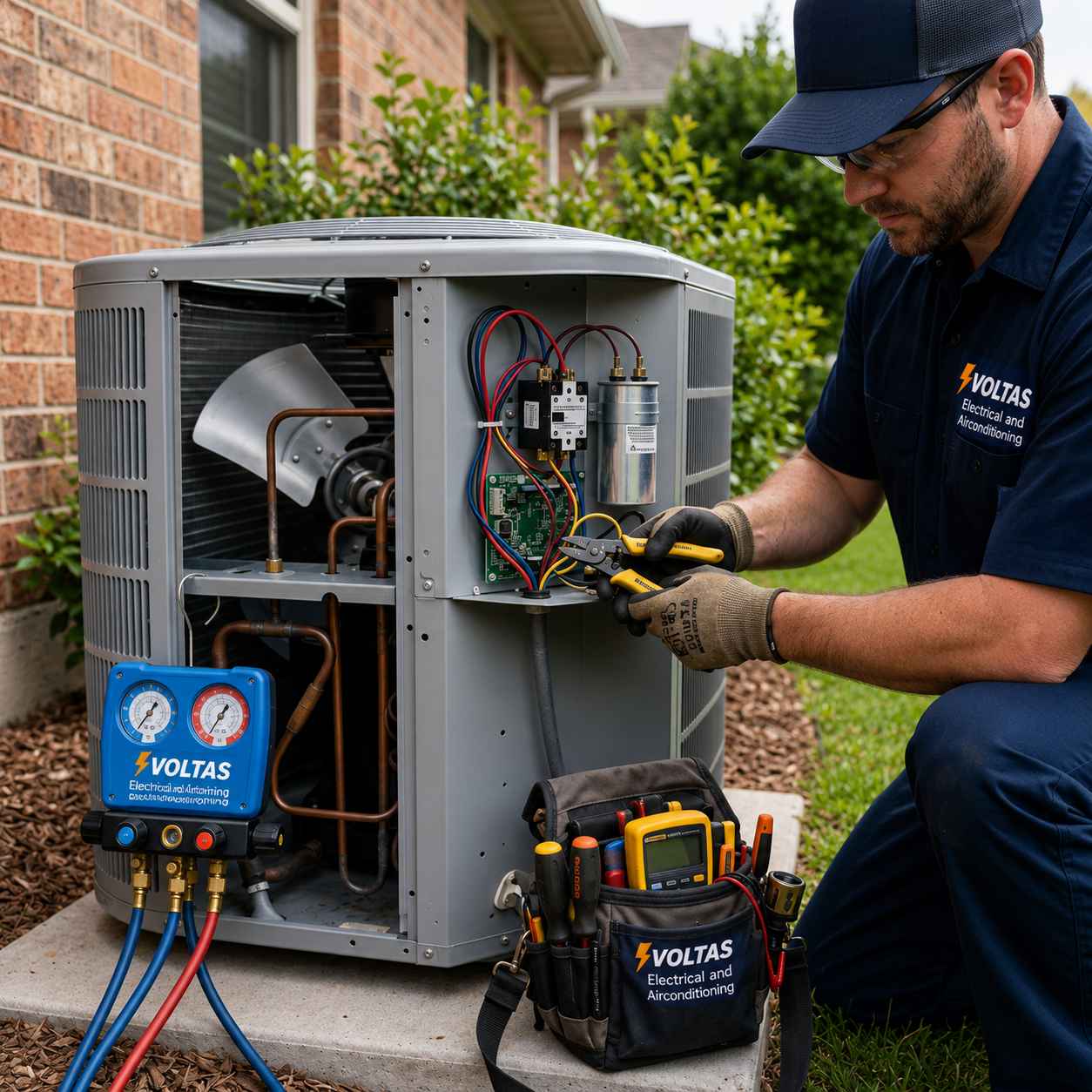
This is, in our own job data, the single most common trigger for a switchboard assessment in Adelaide. A large ducted system or a three-phase unit draws meaningfully more current than the split system it might be replacing, and an older board simply may not have the spare capacity or the right circuit protection. The smart move is to have the switchboard checked in the same visit as your air conditioning quote — see our air conditioning installation page — rather than getting to install day and discovering the board needs work first.
2. Before Adelaide's summer heatwave season
Late winter and spring — right now, if you're reading this in August — is the practical window before Adelaide's December–February heat load really tests every switchboard in the state at once. Air conditioners, fans and fridges all pulling hard on a 40°C+ day is exactly when a marginal board is most likely to nuisance-trip or fail outright — and exactly when electricians are booked out furthest in advance. Upgrading in spring means you're not one of the households calling an emergency electrician mid-heatwave.
3. When you're adding solar, a home battery, or an EV charger
Solar inverters, battery systems and EV chargers all typically need additional switching and metering capacity that an older board doesn't have room for. If any of these are on your radar for the next year or two, it's worth having the switchboard assessed now as part of that planning, rather than mid-installation.
4. When you're buying, selling, or renovating a property
A pre-purchase building inspection that flags an old switchboard, a sale that's about to close, or a renovation/extension that's adding new circuits are all natural, low-friction moments to upgrade — the trades are often already on site, and buyers increasingly ask about electrical safety compliance directly.
5. The moment your safety switch (or lack of one) becomes obvious
If you've just realised your board has no safety switches at all, don't wait for a "better" time — this is a core life-safety gap, not a cosmetic upgrade, and it's one of the more affordable single fixes on this list (see pricing below).
6. Right now, if you noticed one of the urgent signs above
Burning smells, scorch marks, or a board that's visibly damaged aren't on a "best time" schedule at all — that's an emergency call, not a planning decision.
Is an Old Switchboard Actually Illegal in South Australia?
This comes up constantly, so let's answer it plainly: simply having an older switchboard already installed in your home isn't automatically illegal in South Australia, and you generally aren't forced to retrofit a fully modern board purely because of its age. What is tightly regulated is any new or altered electrical work — that must comply with AS/NZS 3000, the Australian/New Zealand Wiring Rules (current edition AS/NZS 3000:2018, with amendments through 2025), and must be carried out and certified by a licensed electrician.
Two things are worth knowing specifically for South Australia:
- Certificates of Compliance (eCoC): licensed electricians must issue an electronic Certificate of Compliance for most electrical work, confirming the tradesperson was properly licensed, the work was tested and meets Australian Standards, and you were told about any existing safety concerns found. Without a valid eCoC, insurers can refuse a claim connected to that work. Complaints about a tradesperson who won't provide one go to South Australia's Office of the Technical Regulator.
- Safety switches (RCDs): required on relevant circuits for new and altered work under AS/NZS 3000, and specific obligations can also apply depending on whether a property is being rented, sold, or renovated. If you're unsure what applies to your exact situation, a licensed electrician or the SA.GOV.AU certificates-of-compliance guidance is the authoritative place to check, rather than relying on a blanket rule.
In short: you won't be fined for an old board sitting quietly in a cupboard. But the moment you touch it — repair, extend, or connect anything new — full compliance kicks in, and ceramic fuses simply can't offer the protection a modern safety switch does regardless of what's legally mandated.
We handle the compliance paperwork (eCoC included) on every upgrade, so you don't have to chase it.
Request a Compliant UpgradeWhat Actually Happens During a Switchboard Upgrade
A standard residential switchboard upgrade in Adelaide typically runs like this:
- On-site assessment — an electrician inspects the existing board, meter box, wiring condition, and your current and likely future load (AC, solar, EV, etc.), then provides an itemised, upfront quote.
- Power is scheduled off — the supply is isolated for the job, usually for around 4 to 6 hours, at a time that suits your household.
- Old board disconnected and removed — ceramic fuses and the old enclosure are safely disconnected and disposed of.
- New board installed and wired — modern circuit breakers and safety switches are fitted, circuits reconnected and correctly labelled.
- Testing and certification — every circuit is tested, and your electrician issues the Certificate of Compliance (eCoC) the job legally requires.
What Does a Switchboard Upgrade Cost in Adelaide (2026)?
Prices vary with board access, wiring condition, and what else is involved, but these are realistic 2026 Adelaide ranges to budget against — always confirm with an itemised on-site quote rather than a phone estimate.
Basic fuse-to-breaker upgrade
$800–$1,400Replacing ceramic fuses with modern circuit breakers.
Standard upgrade with safety switches
$1,200–$2,000The most common residential job — breakers plus RCD protection.
Full board replacement
$1,800–$3,000A brand-new enclosure and panel, typically for older or damaged boards.
Three-phase switchboard
$2,500–$5,000+For larger ducted systems, workshops, or commercial premises.
Meter box replacement only
$400–$900Where the switchboard itself is fine but the meter box is damaged.
Safety switch addition only
$200–$450Adding RCD protection to an existing, otherwise adequate board.
Factors that move the price: board access (roof cavities and cramped meter boxes take longer), how much of the existing wiring needs repair before the new board can be certified, and whether solar, battery or EV charger provisioning is being added at the same time.
Switchboards & Air Conditioning: Why Adelaide's Two Trades Collide So Often
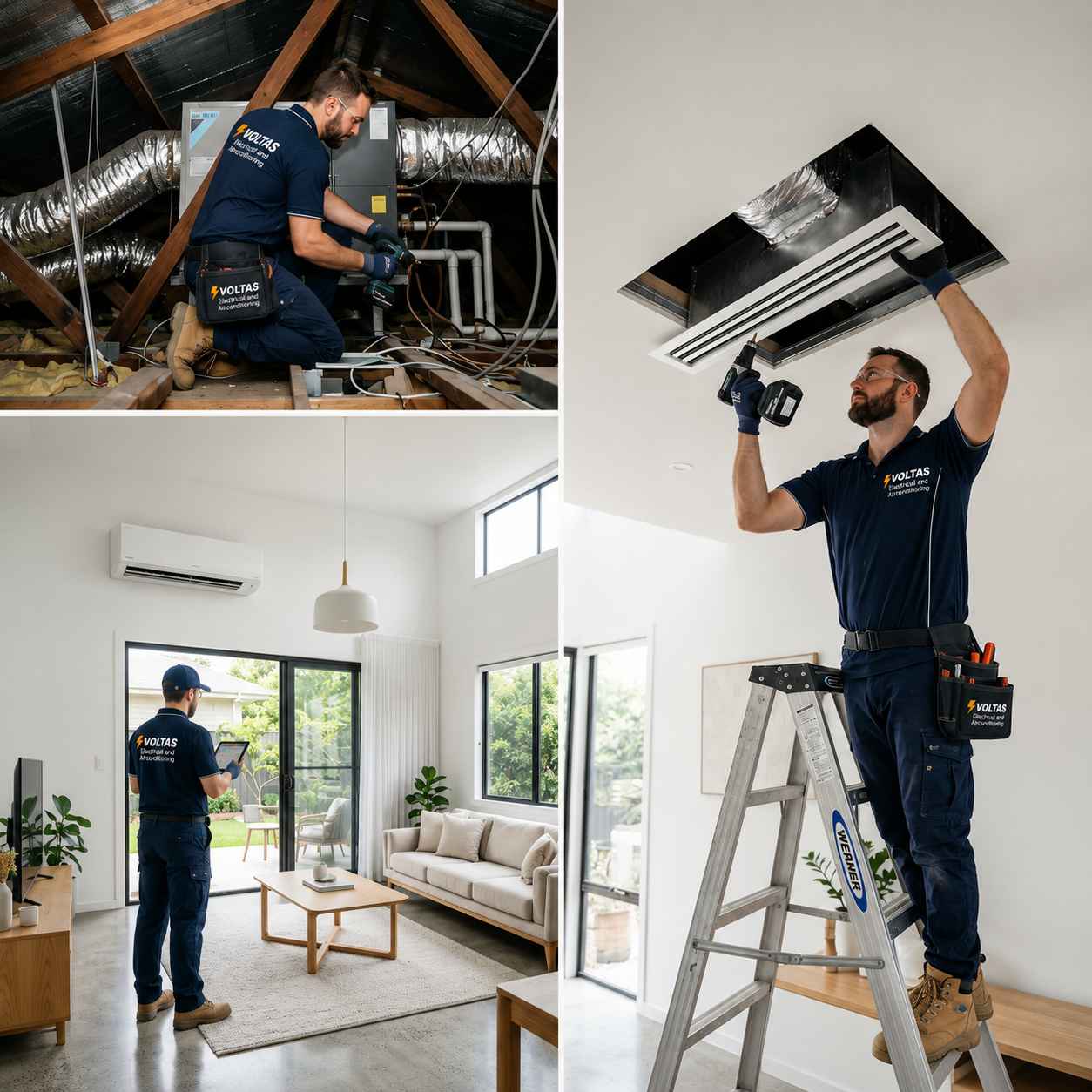
Most electricians only see a switchboard problem when it's already a problem. Because Voltas quotes both air conditioning installation and electrical work, we see the upstream trigger far more often: a household upgrading from a small split system to ducted air conditioning, adding a second or third indoor unit, or moving to a three-phase system for a larger home — all of which change the load profile on the switchboard before a single fault ever appears.
The practical benefit of using one licensed team for both is straightforward: one assessment covers the air conditioning load calculation and the switchboard capacity check, one visit instead of coordinating two trades, and one point of contact if anything about the two jobs needs to line up (like circuit labelling or isolator placement). If you're planning a new system for next summer, it's worth asking about switchboard capacity in the same conversation — and if you haven't settled on a system yet, see our guide on split system vs ducted air conditioning for real 2026 Adelaide pricing.
DIY, Handyman, or Licensed Electrician? Why This One Isn't a DIY Job
Switchboard work involves live mains-voltage connections at the point where your home meets the electricity network — there's no safe "have a go" version of this job. In South Australia, electrical work of this kind must legally be carried out by a licensed electrician, and it's both dangerous and illegal for an unlicensed person (including a general handyman) to perform it. Beyond the safety risk, unlicensed work also won't come with a valid Certificate of Compliance, which — as covered above — can directly affect insurance claims down the track. If a quote for switchboard work seems unusually cheap, it's worth confirming the tradesperson's electrical licence before booking.
A 5-Minute Switchboard Health-Check You Can Do This Weekend
You don't need to open the board to get a useful first read. From the outside, safely:
- Look, don't touch: open the switchboard cover (without touching anything inside) and see whether you have round ceramic fuse holders or rectangular circuit breakers/switches.
- Find the test button: if you have a safety switch, it has a small "T" or "Test" button. Pressing it should immediately cut power to the circuits it protects — if it doesn't trip, or you can't find one at all, that's worth a call.
- Check for physical damage: rust streaks, cracked plastic, or a burnt smell around the meter box are all signs not to wait.
- Think about your home's age: built before the early 1990s and never upgraded is a reasonable trigger to book an assessment even with no obvious symptoms yet.
This isn't a substitute for a licensed inspection — it's just enough information to know whether to treat an upgrade as "worth planning for" or "worth calling about today."
Frequently Asked Questions
The questions Adelaide homeowners ask us most often about switchboard upgrades.
When is the best time to upgrade a switchboard?
Before it fails, not after — ideally alongside a new air conditioner, solar, battery or EV charger install, or before summer heatwave season. If you already see hazard signs, the best time is immediately.
How do I know if my switchboard needs upgrading?
Ceramic fuses, no safety switches fitted, frequent unexplained trips, a burning smell, a damaged meter box, or a board that's never been touched since a pre-1990s build are all signs it's time for an assessment.
Is it illegal to have an old fuse box in South Australia?
Not automatically — but any new or altered electrical work must comply with AS/NZS 3000 and be certified, and ceramic fuses don't offer the protection modern safety switches do. Check your specific situation with a licensed electrician.
How much does a switchboard upgrade cost in Adelaide?
Roughly $800–$1,400 for a basic upgrade, $1,200–$2,000 with safety switches, $1,800–$3,000 for a full replacement, and $2,500–$5,000+ for three-phase — confirmed with an on-site quote.
How long does it take, and will I lose power?
Around 4 to 6 hours for a standard upgrade, with power switched off for the duration. Your electrician schedules this at a time that suits you.
Do I need an upgrade before solar, a battery, or an EV charger?
Often, yes — these all typically need extra switching and metering capacity an older board may not have. Get it assessed as part of planning the installation.
Do I need a bigger switchboard for a new air conditioner?
Larger ducted or three-phase systems can need more circuit capacity than an older board provides. Ask for a switchboard check in the same visit as your AC quote.
What is a Certificate of Compliance (eCoC)?
A legally required document a licensed electrician issues confirming switchboard work is safe, tested and meets Australian Standards. Without it, insurance claims linked to that work can be refused.
Can I upgrade my own switchboard?
No — this must be done by a licensed electrician. It involves live mains-voltage work and unlicensed work won't come with a valid Certificate of Compliance.
Will it affect my home insurance?
It can help — some insurers offer better terms for homes with modern safety switches, and a valid eCoC protects your ability to claim if electrical work is ever involved in an incident later.
Not Sure If (Or When) You Need an Upgrade?
Get a straight answer and a same-day, itemised on-site quote from Adelaide's licensed electrical and air conditioning specialists.
This guide is general information for South Australian homeowners and doesn't replace a licensed on-site assessment of your specific property. Sources referenced include the current AS/NZS 3000 Wiring Rules and South Australia's Certificate of Compliance guidance (SA.GOV.AU) and Office of the Technical Regulator.
Disclaimer: This article is provided as general information and guidance only. It draws on publicly available sources, government and industry publications (referenced where relevant), and Voltas Electrical Adelaide's own trade experience — it is not personalised advice for your specific property and does not replace a licensed, on-site assessment. Regulations, pricing, and product or brand details can change over time, so please independently verify anything relevant to your decision and seek your own professional advice before acting. To the fullest extent permitted by law, Voltas Electrical Adelaide accepts no responsibility or liability for any loss, damage, or other outcome arising from reliance on the information in this article. Where this article refers to a same-day or obligation-free quote or assessment, that refers to the quote or assessment itself — a site visit to a property well outside our normal Adelaide metro service area may incur a travel or call-out fee, as set out in our Terms & Conditions, which also has full details on the points above.