Installing an EV charger at home sounds like a simple electrical job — mount a box on the wall, run a cable to the switchboard, done. In South Australia it's a little more involved than that, thanks to a genuine grid-management problem: if enough EV owners in one neighbourhood all plug in the moment they get home from work, that collective demand can strain local infrastructure at exactly the time it's already under the most pressure. That's why SA has its own specific rules about charger types and approvals that don't necessarily apply the same way in other states.
We're Voltas Electrical & Airconditioning, a licensed Adelaide electrical team (licences BLD 274739, PGE 265145, AU 61210) that installs EV charger circuits across Adelaide metro, in both established homes and new builds. This guide covers the charger types available, South Australia's compliance requirements, whether your existing switchboard can handle the extra load, and honest 2026 Adelaide pricing.
The Three Ways to Charge an EV At Home
Not all home charging setups are the same, and the right one for you depends on how much daily driving you actually do. If you want the full breakdown of exactly how fast each option charges and why single-phase vs three-phase makes such a difference, see our companion guide on home EV charger levels and charging speed.
Level 1 — standard power point
Plugs into a regular 10/15A outlet. Slowest option (often 8+ hours for a meaningful charge), but needs no special installation or approval.
Level 2 — single-phase (up to 7kW)
A dedicated wall-mounted charger on its own circuit. The most common home setup, charging a typical EV overnight comfortably.
Level 2 — three-phase (up to 22kW)
Needs three-phase power at the property. Charges far faster, but only worth the extra cost if you drive high daily distances or need a fast top-up.
South Australia's Smart Charger Rule (Since July 2024)
Since 1 July 2024, any new hardwired EV charger installed in South Australia must be a "smart" charger — one capable of communicating with the network. Specifically, it needs to meet one of three compliance standards: the OCPP 1.6 protocol, the ANSI/CTA 2045-B interface standard, or be a "deemed to comply" listed device, and it must have internet connectivity so it can be managed remotely. This isn't red tape for its own sake — South Australia's Department for Energy and Mining introduced the requirement specifically because EV owners collectively plugging in during the early evening peak could add significantly to demand at the worst possible time for the grid. In practice, this means your electrician needs to supply a genuinely compliant charger model, not just any charger sold online — worth confirming as part of your quote rather than assuming any product will do.
Do You Need SA Power Networks Approval?
Whether you need formal approval before installing depends entirely on the charger's rated size:
Under 20A: no approval needed
A basic charger plugging into a standard power point falls outside SA Power Networks' approval requirements entirely.
20A–32A single-phase, or above 25A per phase (three-phase): approval required
Must be lodged through SA Power Networks' online Portal and approved BEFORE installation begins — not after.
A licensed electrician experienced with EV installs will normally lodge this application on your behalf as part of the job and formally close it out once installation is complete, so it's one less thing for you to manage directly — just confirm it's included in your quote.
Not sure which charger type or approval path applies to your home?
Get a Same-Day AssessmentIs Your Switchboard Ready?
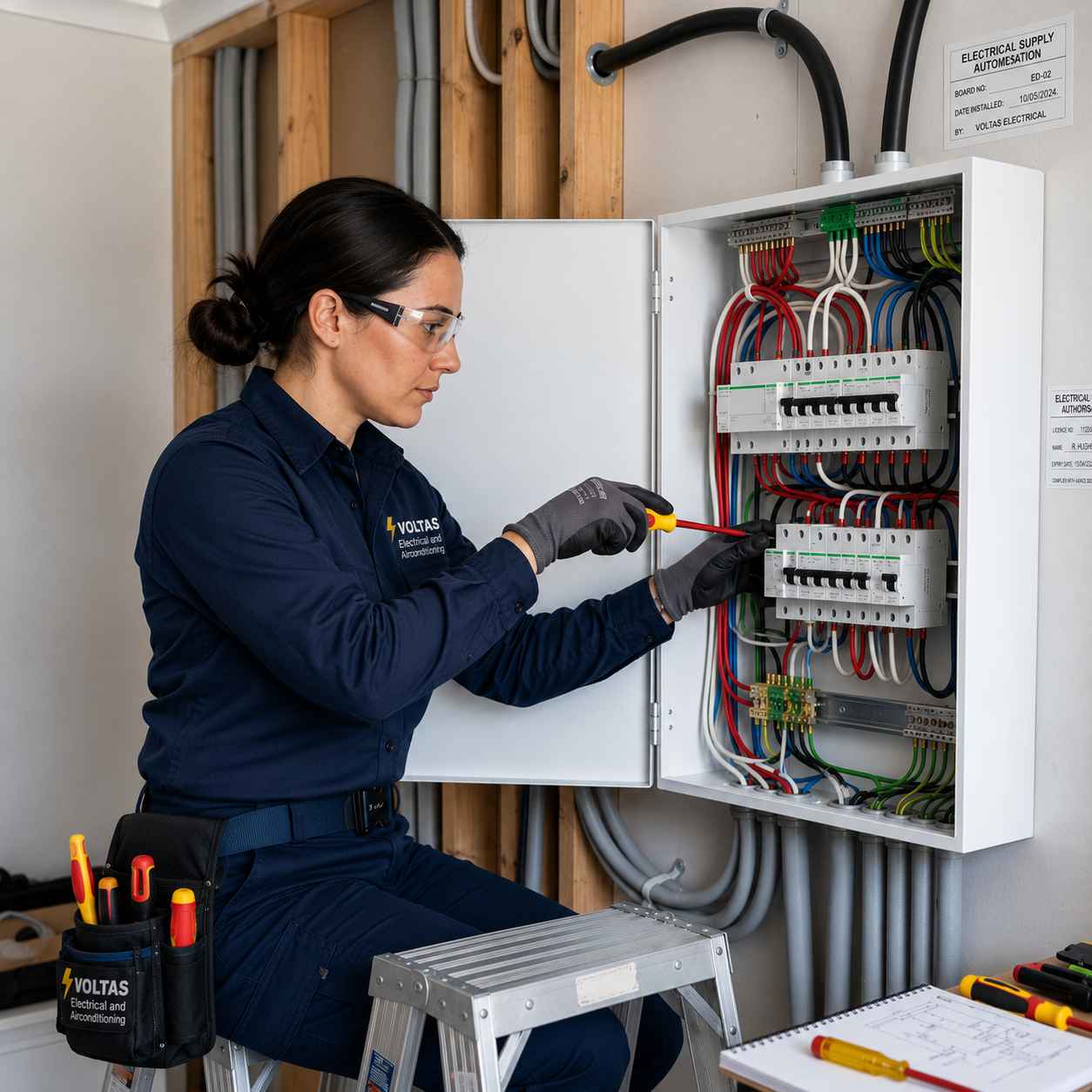
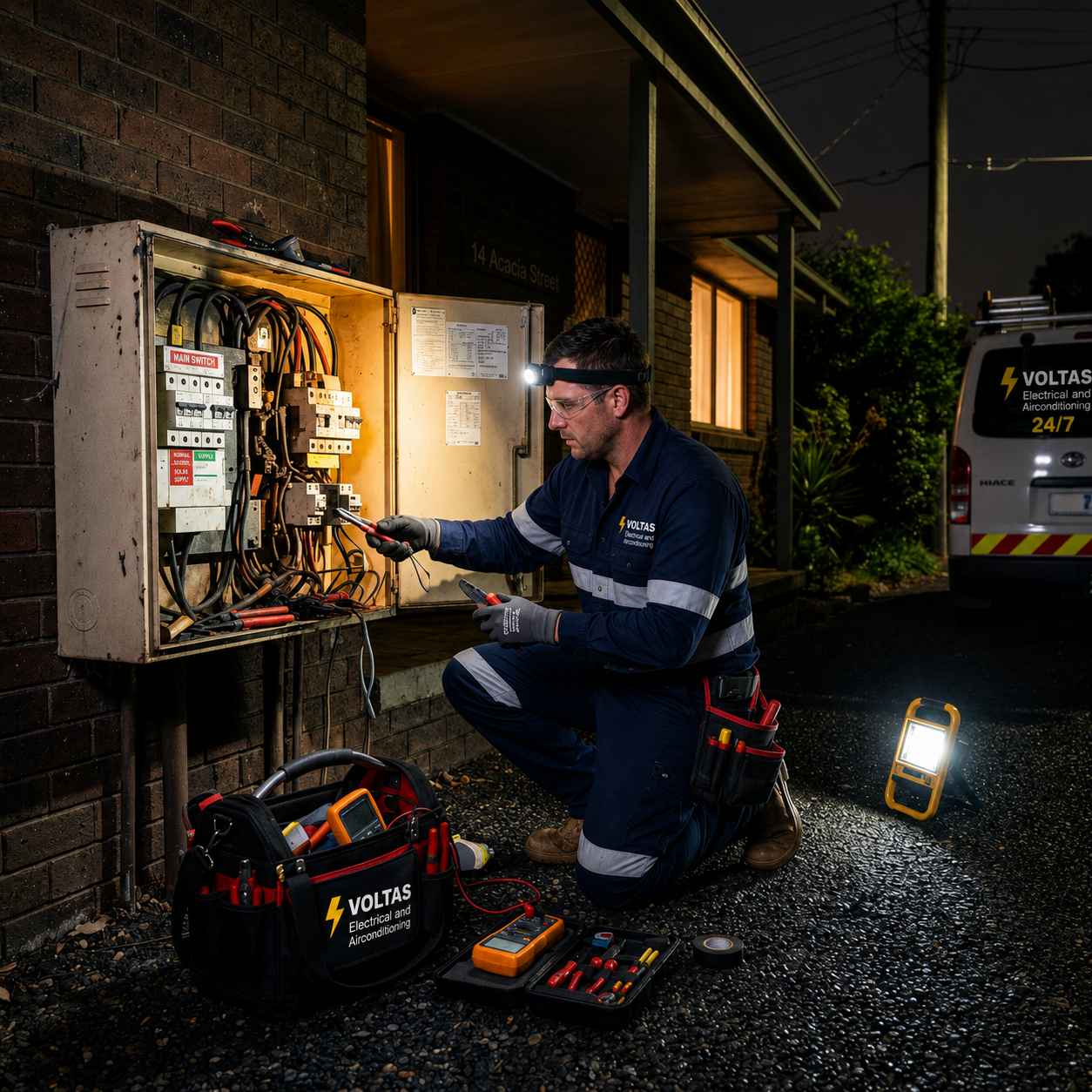
An EV charger is one of the single biggest additional loads you can add to a home's electrical system — often larger than a ducted air conditioner. Many established Adelaide homes, particularly those built before the 1990s, have a switchboard that was never designed with this kind of load in mind, and simply doesn't have the spare switching or metering capacity to add a charger safely. Our switchboard upgrade guide covers the broader warning signs an older board is overdue for attention, but the short version for EV charging specifically: it's worth having your switchboard assessed BEFORE you commit to a charger, not after installation reveals a limitation. This is exactly the kind of thing better picked up in the planning stage than mid-install.
2026 Cost of Installing a Home EV Charger in Adelaide
Based on current Adelaide market pricing, here's a realistic all-in figure (charger unit plus installation):
Simple single-phase install
$1,700–$2,200Charger mounted adjacent to or near the switchboard, straightforward cable run.
Standard single-phase install
$2,200–$2,600Moderate cable run, single-storey home with accessible roof space.
Three-phase install
$2,400–$3,000+Faster charging, but needs three-phase power already at the property.
Double-storey / longer runs
+$400–$800Added to the base price for "up and over" cable runs on two-storey homes.
The two biggest cost swings are distance from your switchboard to where the charger will actually sit (a charger mounted right next to the board is always cheapest) and whether your home already has three-phase power or would need it added — a genuinely bigger job than the charger install itself. If your switchboard assessment turns up the need for an upgrade too, budget for that as a separate line item; our switchboard guide has current 2026 Adelaide pricing for that specific job.
Building New, or Just Planning Ahead?
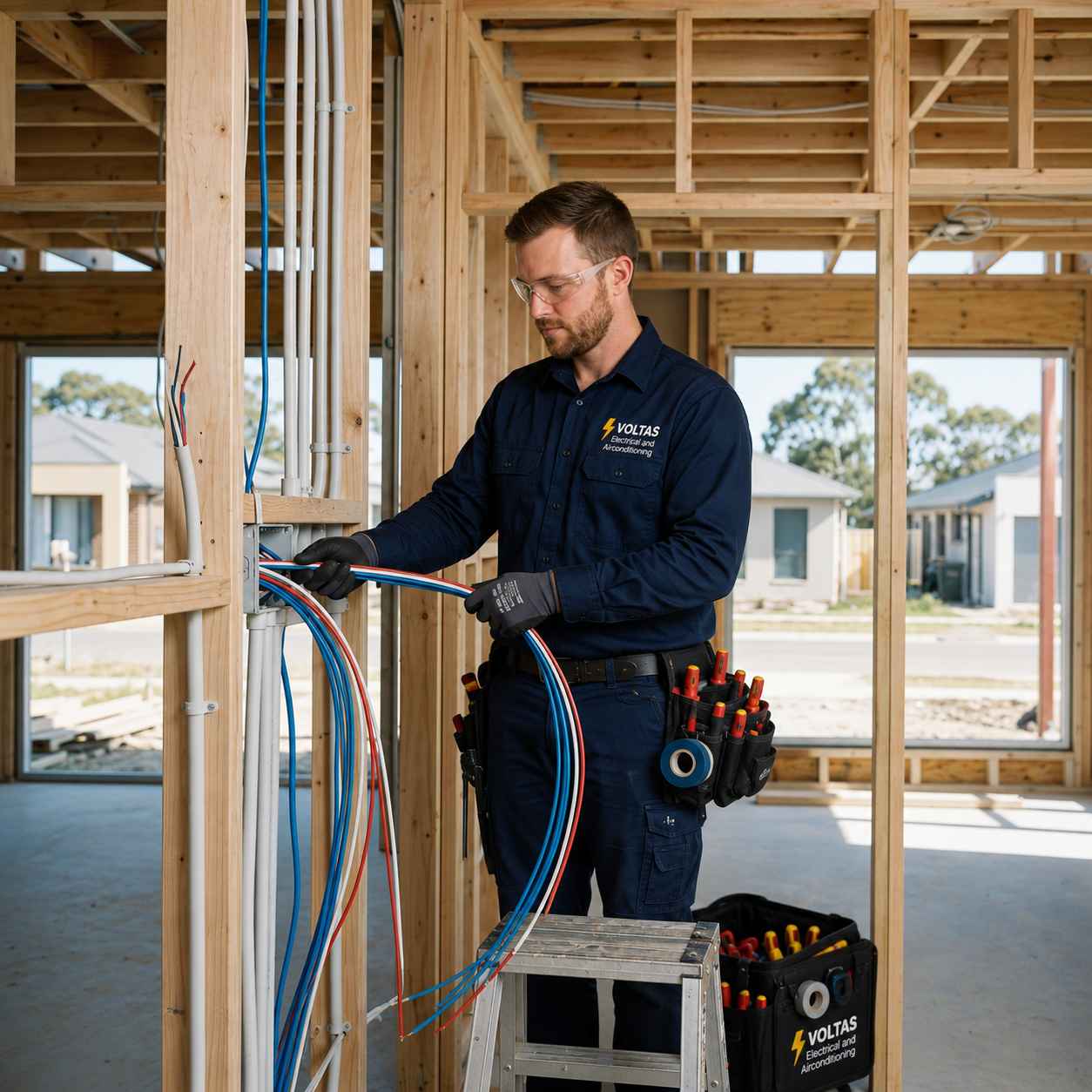
If you're building or doing a major renovation, the cheapest time to sort out EV charging is well before you own the car. Running dedicated EV charger wiring and circuit capacity during a new build or rewire costs a fraction of retrofitting it later, and it means the day you do buy an EV, you're plugging in rather than waiting on an electrician. Our new house wiring team builds this in as standard future-proofing on request, and our electrical installation team handles both new-build EV circuits and retrofits into existing homes.
Which Adelaide Homes Should Plan This In Advance?
We see the switchboard-capacity issue most often in established, character-home suburbs like Norwood and Adelaide CBD, where older housing stock means a switchboard assessment is genuinely worth doing before committing to a charger, rather than assuming a modern install will simply "fit." Newer housing developments further out tend to have more headroom already built in, but it's still worth confirming rather than guessing.
Frequently Asked Questions
Do I need approval to install an EV charger at home in South Australia?
It depends on the charger's size. A basic charger under 20A that plugs into a standard power point needs no approval. A dedicated Level 2 charger rated between 20A and 32A single-phase (or above 25A per phase for three-phase) requires approval through SA Power Networks' online Portal before installation begins — your electrician normally handles this as part of the job.
What is South Australia's smart charger requirement?
Since 1 July 2024, any new hardwired EV charger installed in South Australia must be a "smart" charger that meets one of three compliance standards (OCPP 1.6, ANSI/CTA 2045-B, or a "deemed to comply" listed device), with internet connectivity so the network operator can manage charging during periods of peak electricity demand.
How much does it cost to install a home EV charger in Adelaide in 2026?
A typical hardwired home EV charger, including both the charger unit and installation, costs roughly $1,700–$3,000 in Adelaide, depending on the charger's features and how far the installation point is from your switchboard. A straightforward single-phase 7kW install next to the switchboard sits at the lower end; three-phase, longer cable runs, or double-storey "up and over" runs push costs higher.
Do I need to upgrade my switchboard for an EV charger?
Often, yes, especially in older Adelaide homes. EV chargers add meaningful extra load and typically need dedicated switching and metering capacity that an outdated switchboard may not have. It's worth having your switchboard assessed as part of planning the installation rather than discovering a limitation partway through the job.
Planning a Home EV Charger?
We'll assess your switchboard, confirm what's actually required under SA's rules, and give you a clear, itemised quote — no guesswork.
Guidance cross-checked against SA Power Networks' EV charger installation requirements, South Australia's Department for Energy and Mining smart-charger requirements effective 1 July 2024, current Australia-wide EV charger cost surveys, and our own 2026 Adelaide quoting history. If your switchboard itself may need attention before adding a charger, see our guide on when to upgrade your switchboard.
Disclaimer: This article is provided as general information and guidance only. It draws on publicly available sources, government and industry publications (referenced where relevant), and Voltas Electrical Adelaide's own trade experience — it is not personalised advice for your specific property and does not replace a licensed, on-site assessment. Regulations, pricing, and product or brand details can change over time, so please independently verify anything relevant to your decision and seek your own professional advice before acting. To the fullest extent permitted by law, Voltas Electrical Adelaide accepts no responsibility or liability for any loss, damage, or other outcome arising from reliance on the information in this article. Where this article refers to a same-day or obligation-free quote or assessment, that refers to the quote or assessment itself — a site visit to a property well outside our normal Adelaide metro service area may incur a travel or call-out fee, as set out in our Terms & Conditions, which also has full details on the points above.