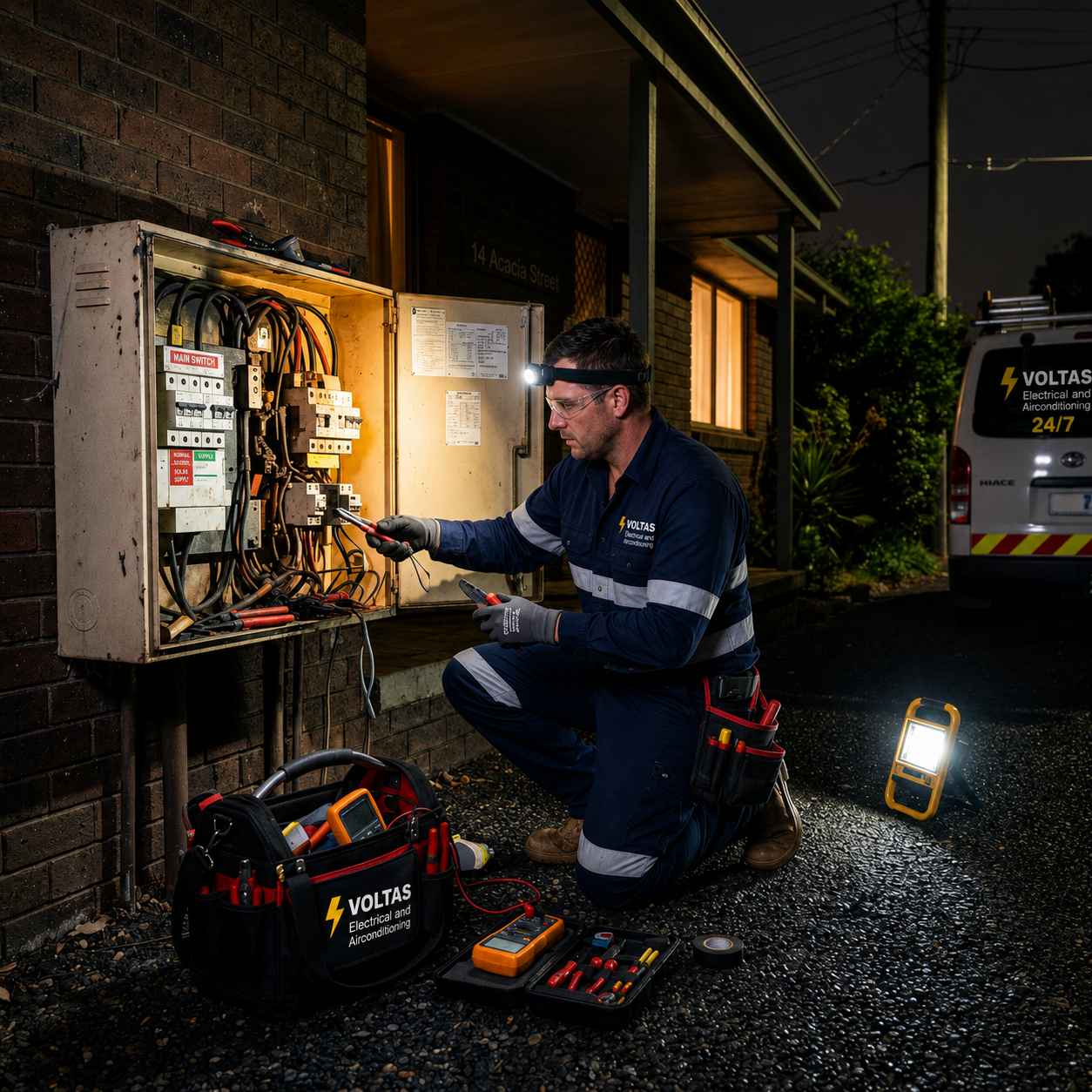
Most Adelaide homes were wired for the number of appliances a household owned decades ago, not the number it owns now. A lounge room built for one lamp and a television is now expected to run a smart TV, a soundbar, a games console, a router, and a couple of chargers — all from the same one or two outlets it started with. When that happens, the usual workaround is a power board, then a second power board plugged into the first, and eventually a genuinely overloaded circuit that was never designed to carry that load.
We're Voltas Electrical & Airconditioning, a licensed Adelaide electrical team (licences BLD 274739, PGE 265145, AU 61210) that installs additional power points across Adelaide metro every week, from a single extra GPO in a bedroom to a full bank of outlets for a renovated kitchen. This guide covers when extra power points are genuinely needed, why it has to be a licensed job in South Australia, what a proper installation actually involves, and the real warning signs that an existing point needs replacing before it becomes a hazard.
When Adelaide Homeowners Typically Need Extra Power Points
Needing another power point rarely comes out of nowhere — it's usually tied to a specific change in how a room or property is being used. The situations we see most often across Adelaide are:
Renovations and extensions
New rooms, relocated kitchens, or opened-up living spaces almost always need power points added or moved to suit the new layout, not just reused from the old one.
Home offices
A desk running a monitor, laptop, dock, printer, and desk lamp from one double GPO is a common overload point in homes that added a home office after the fact.
Kitchen appliances
Microwaves, dishwashers, and benchtop appliances often need a dedicated, correctly rated circuit rather than sharing a general-purpose outlet with everything else.
EV charging preparation
A dedicated, correctly sized circuit — and often a switchboard capacity check — is needed before an EV charger goes in, whether that's a simple point now or full charger wiring later.
Outdoor entertaining areas
Alfresco areas, decks, and patios need weatherproof, IP-rated outlets for lighting, a bar fridge, or a heater — a standard indoor GPO isn't rated for outdoor exposure. Our outdoor power point and alfresco lighting guide covers this in full.
Chronic double-adaptor use
If a room relies on a permanent power board or double-adaptor just for everyday use, that's a practical sign the room is genuinely short on points, not a storage problem.
Not sure how many extra points your renovation or home office actually needs? We'll assess it on-site and give you a clear, itemised quote.
Get a Same-Day QuoteWhy It Must Be Done by a Licensed Electrician in SA
Installing or altering a power point is classed as prescribed electrical work under South Australian law, which means it can only be legally carried out by a licensed electrician — not a handy homeowner, and not an unlicensed tradesperson doing a favour. The work must meet the requirements of the AS/NZS 3000 Wiring Rules, Australia's core electrical safety standard covering everything from cable sizing and earthing to circuit protection.
Once the work is finished, the electrician issues an electronic Certificate of Compliance (eCoC), lodged with South Australia's electrical safety regulator, confirming the installation was tested and meets the standard. This isn't just paperwork: without a valid eCoC, an insurer can refuse a claim connected to that circuit if it later causes damage or a fire, and unlicensed work can also affect a property's sale or rental compliance obligations down the track. If you're ever unsure what applies to a specific job, South Australia's Office of the Technical Regulator is the authoritative place to check, and sa.gov.au's Certificate of Compliance guidance explains what the eCoC covers.
What a Professional Power Point Installation Involves
A proper installation is more than just cutting a hole in the wall for a new outlet. Our electrical installation team typically works through it in a few clear steps:
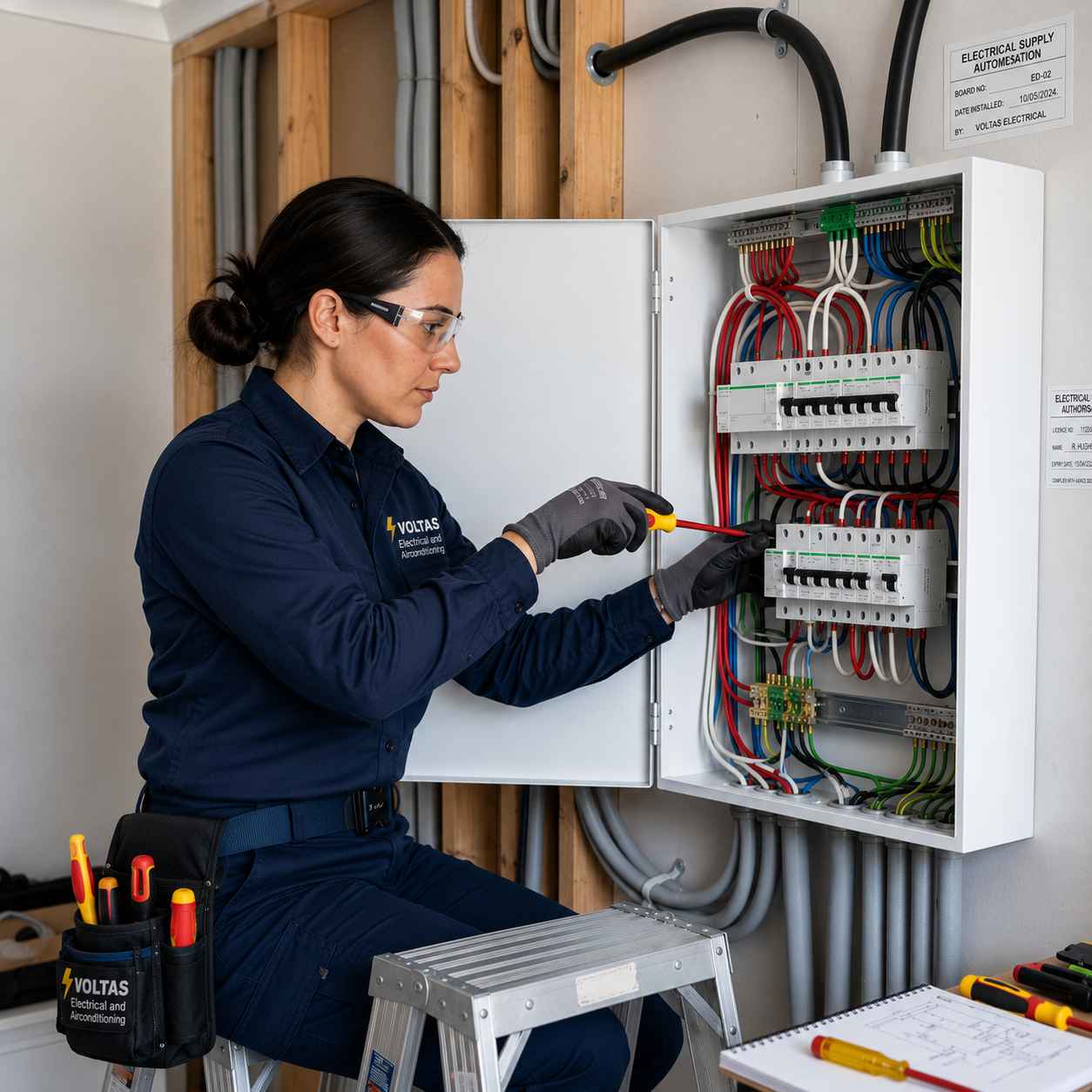
- Switchboard and circuit assessment — checking your existing switchboard has spare capacity, and that the circuit the new point will sit on isn't already close to its rated load.
- Planning the position — confirming height, location, and whether a standard, weatherproof, or USB-integrated outlet suits the spot, especially for kitchens, bathrooms, and outdoor areas.
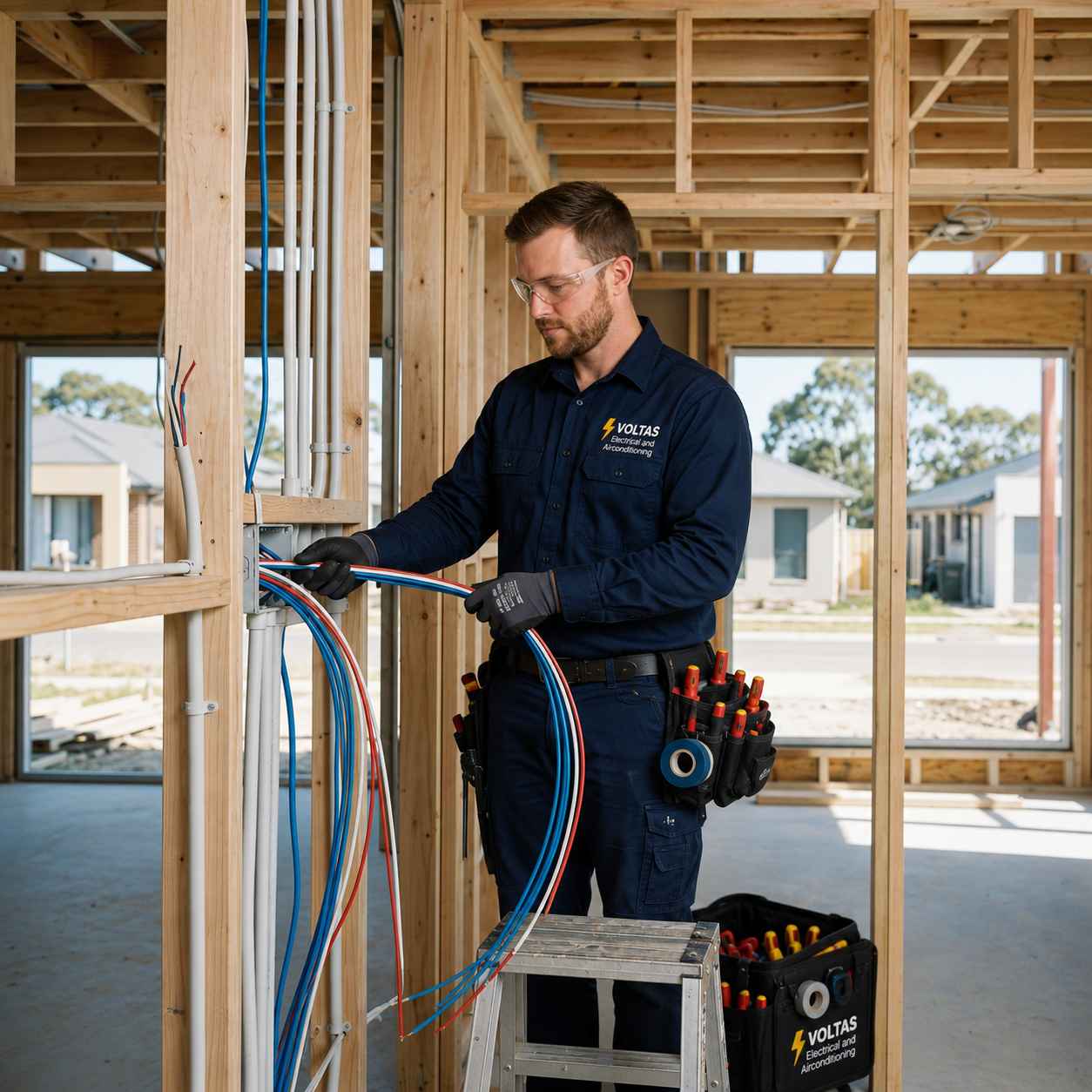
- Running and connecting new cabling — installed to AS/NZS 3000 standards, with the circuit correctly earthed and protected by a safety switch (RCD) where required.
- Testing — verifying the new point and its circuit are safe and functioning correctly before it's handed over for use.
- Certificate of Compliance — the electrician lodges the eCoC, giving you a documented, insurable record of the work.
If your switchboard is older and doesn't have spare circuit capacity for the new points you need, that's worth flagging early — our guide on when to upgrade your switchboard covers the signs it's time for a board upgrade, which is sometimes a necessary first step before adding new circuits. If you're planning ahead for an EV, our EV charger installation guide covers what a dedicated charging circuit involves beyond a standard power point.
Signs an Existing Power Point Is Unsafe and Needs Replacing
Adding new points is only half the picture — plenty of Adelaide homes, especially older ones, also have existing outlets that are quietly overdue for replacement. Watch for:
Scorch or burn marks
Any discolouration around the outlet plate or plug pins is a clear sign of arcing or overheating — treat it as urgent, not cosmetic.
A loose fit
A plug that wobbles, falls out on its own, or needs to be jammed in usually means worn internal contacts that need a proper replacement, not a firmer push.
Warm to touch
A power point that feels warm or hot points to a loose connection or overloaded circuit generating heat behind the wall — a genuine fire risk.
Crackling, buzzing, or sparking
Any noise or visible spark when plugging in or removing a cord means the point needs to be assessed before it's used again.
A faint burning-plastic smell
Switch off the circuit if you safely can and call an electrician immediately — don't wait for a scheduled visit.
No earth pin, or a cracked faceplate
Common in older homes and a sign the outlet predates current safety standards or has simply degraded with age.
Any single one of these is worth getting checked rather than waiting for it to get worse — the same pattern of small warning signs applies here as it does to wiring that's overdue for a full rewire, and the two issues sometimes turn up together during the same inspection.
Choosing Genuinely Reliable Fittings
For higher-use areas like a home office, kitchen, or outdoor entertaining space, it's worth asking your electrician about better-quality outlets and, where relevant, integrated USB charging points — the same attention to reliable componentry that goes into a good air conditioning brand selection applies just as much to the switches and outlets your household touches every day.
Frequently Asked Questions
When do I need extra power points added to my Adelaide home?
The most common triggers are a renovation or extension, setting up a home office with multiple devices on one wall, adding kitchen appliances like a microwave or dishwasher, preparing a garage or carport for EV charging, and creating an outdoor entertaining area with lighting, a fridge, or a heater. If you're regularly relying on double-adaptors or power boards at one outlet, that's usually a sign you need another point installed rather than another adaptor.
Can I install a power point myself in South Australia?
No. Installing or altering a power point (GPO) is prescribed electrical work under South Australian law and must be carried out by a licensed electrician, who then issues an electronic Certificate of Compliance (eCoC) for the work. Doing it yourself is illegal, void any home insurance connected to that circuit, and risks a genuine electric shock or fire hazard.
What does a professional power point installation involve?
A licensed electrician assesses your existing switchboard capacity and circuit layout, confirms the new outlet's position and any weatherproofing needs, runs and connects new cabling to AS/NZS 3000 standards, tests the circuit including earthing and safety-switch protection, and issues an electronic Certificate of Compliance once the work is signed off.
How do I know if an existing power point is unsafe?
Warning signs include scorch or burn marks around the outlet, a plug that fits loosely or falls out on its own, the point feeling warm or hot to touch, a faint burning-plastic smell, crackling or buzzing sounds, or lights flickering when it's used. Any of these warrants turning off that circuit if you can safely do so and calling a licensed electrician promptly.
Need Extra Power Points Installed Properly?
We'll assess your switchboard capacity, plan the layout, and install new points to full AS/NZS 3000 compliance, with a Certificate of Compliance on completion.
Sources referenced: AS/NZS 3000 Wiring Rules (standards.org.au), South Australia's Certificate of Compliance guidance (SA.GOV.AU), and the Office of the Technical Regulator, alongside our own Adelaide installation experience.
Disclaimer: This article is provided as general information and guidance only. It draws on publicly available sources, government and industry publications (referenced where relevant), and Voltas Electrical Adelaide's own trade experience — it is not personalised advice for your specific property and does not replace a licensed, on-site assessment. Regulations, pricing, and product or brand details can change over time, so please independently verify anything relevant to your decision and seek your own professional advice before acting. To the fullest extent permitted by law, Voltas Electrical Adelaide accepts no responsibility or liability for any loss, damage, or other outcome arising from reliance on the information in this article. Where this article refers to a same-day or obligation-free quote or assessment, that refers to the quote or assessment itself — a site visit to a property well outside our normal Adelaide metro service area may incur a travel or call-out fee, as set out in our Terms & Conditions, which also has full details on the points above.